


Canadian Citizen by Descent: Can You Sponsor Your Spouse?

Discovering that you are a Canadian citizen by descent can open the door to living and working in Canada. But for married couples, an important question often follows: Can a Canadian citizen by descent sponsor their spouse for Canadian permanent residence?
Canadian Citizenship by Descent Scams: 10 Red Flags to Watch

Learn how to spot Canadian citizenship by descent scams, verify immigration representatives, identify red flags and report fraud before paying for help.
Planning Your Move to Canada as an International Student: Complete Pre-Arrival Guide for 2026

Moving to Canada as an international student involves much more than getting admission to a college or university and booking a flight. Students need to prepare their study permit, financial documents, accommodation, health coverage, banking arrangements and travel documents well before departure.
Canada Invites 562 Provincial Nominees in Latest Express Entry Draw
Canada has conducted another Express Entry draw for Provincial Nominee Program (PNP) candidates, issuing 562 Invitations to Apply (ITAs) for permanent residence.
Newfoundland and Labrador Issues 140 Provincial Immigration Invitations in Latest Draw
Newfoundland and Labrador has conducted its latest provincial immigration selection round, inviting 140 foreign nationals to move forward toward Canadian permanent residence.
Your Family Records Aren’t Certified? Can You Still Prove Canadian Citizenship by Descent?

For people applying for proof of Canadian citizenship by descent, documentation can be one of the most challenging parts of the process. Applicants may have family records that are old, uncertified, difficult to obtain, or issued by authorities that no longer exist.
Canada Offers Open Work Permits to At-Risk Manitoba PNP Candidates
The Canadian federal government has introduced a new temporary public policy that could provide open work permits to up to 2,700 temporary foreign workers in Manitoba, including some individuals who have already lost their status or are at risk of losing their authorization to work in Canada.
British Columbia Invites 500 Workers Across Five Priority Sectors for Provincial Nomination
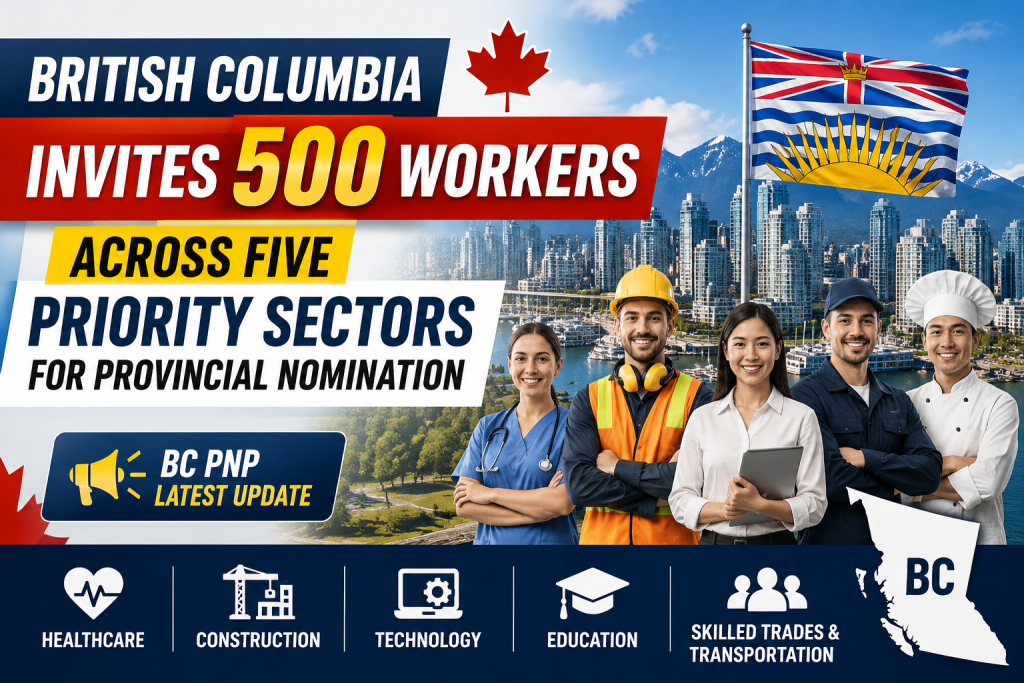
British Columbia has conducted another targeted BC Provincial Nominee Program (BCPNP) Skills Immigration draw, inviting at least 500 candidates to apply for provincial nomination.
Canada Invites French-Speaking Express Entry Candidates to Apply for Permanent Residence
Immigration, Refugees and Citizenship Canada (IRCC) has conducted another Express Entry category-based draw targeting candidates with French-language proficiency, issuing 5,000 Invitations to Apply (ITAs) for Canadian permanent residence.
British Columbia Invites Entrepreneurs in Latest Provincial Immigration Draw

The British Columbia Provincial Nominee Program (BCPNP) has conducted another Entrepreneur Immigration (EI) draw, issuing 10 Invitations to Apply (ITAs) to experienced business owners and entrepreneurs looking to establish or acquire a business in the province.


